Ponding water is one of the most damaging problems a commercial property owner can face, and for flat-roofed buildings in Bismarck, ND, it is far more than a seasonal inconvenience. This article explains what causes standing water on low-slope commercial roofs, why North Dakota's climate makes the problem worse, and what proper commercial roof installation techniques can do to solve it.
Why Flat Roofs in Bismarck, ND, Are Prone to Drainage Problems
Flat roofs rely on a subtle built-in slope to guide rainwater and snowmelt toward drains, scuppers, or gutters. When that slope is missing, too shallow, or disrupted by structural settling, water has nowhere to go.
Bismarck adds another layer of difficulty. The city experiences sustained snow loads throughout winter, and flat-roofed buildings can carry that weight for months before a thaw begins. Once temperatures rise, large volumes of water release at once onto a roof that may already have clogged drains or compromised seams.
The freeze-thaw cycle then takes over. Water seeps into a small gap, freezes, expands, and forces it open wider. Repeat that process dozens of times over a single winter and small defects become active leaks. Parapet walls, seams around HVAC equipment, and flashing joints are especially vulnerable.
What Is Ponding Water and Why Does It Matter?
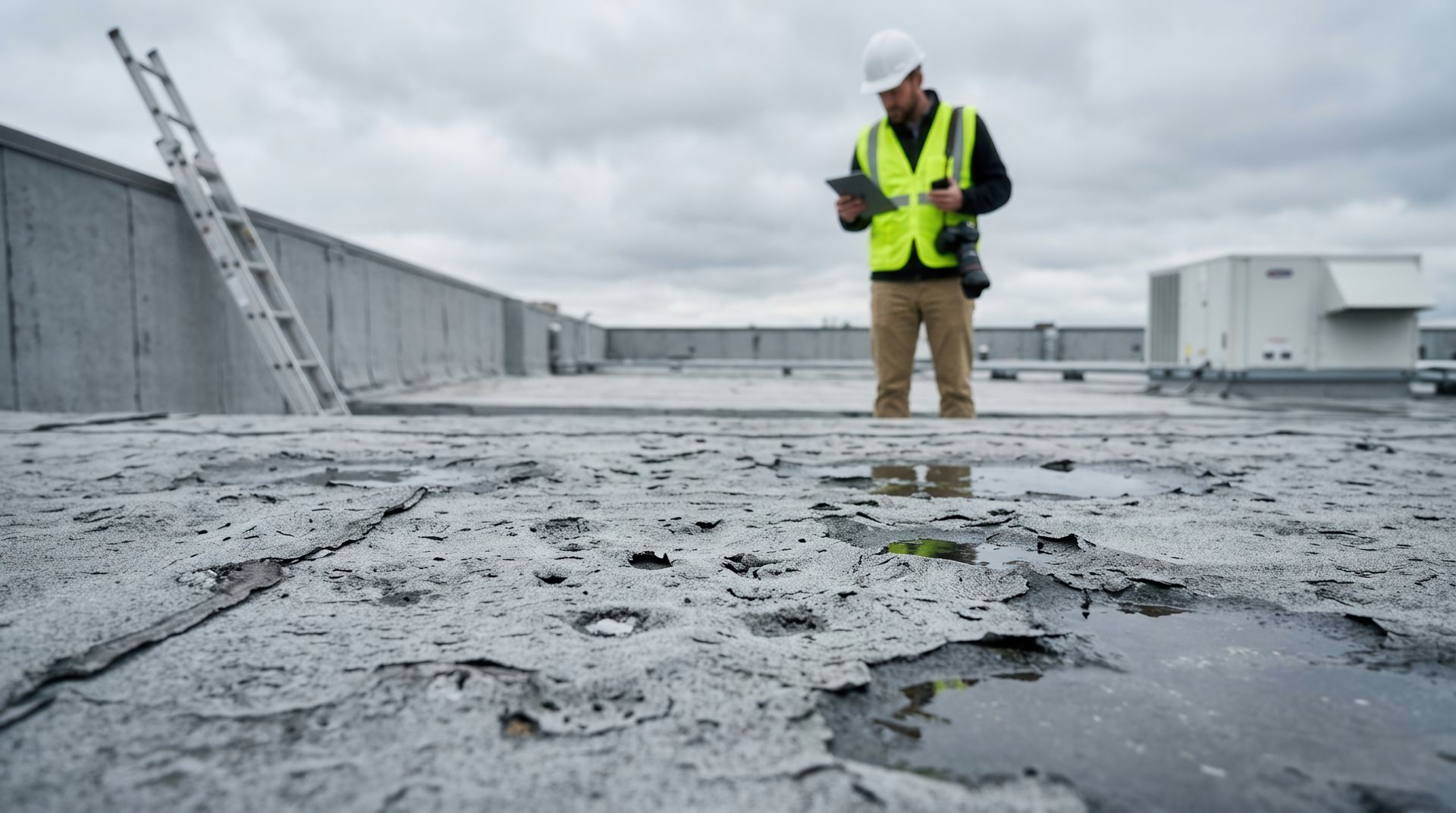
Ponding water is technically defined as water that remains standing on a roof surface for more than 48 hours after rainfall ends. Even a shallow pool adds significant weight per square foot, stresses the roof deck, accelerates membrane breakdown, and creates a leak pathway wherever the membrane is less than perfect.
Left unaddressed, ponding can lead to serious damage, including:
- Saturated insulation that loses its thermal value.
- Membrane blistering and seam separation.
- Structural deck damage from rot or corrosion.
- Biological growth that degrades roofing materials.
- Interior leaks once membranes fail at penetrations.
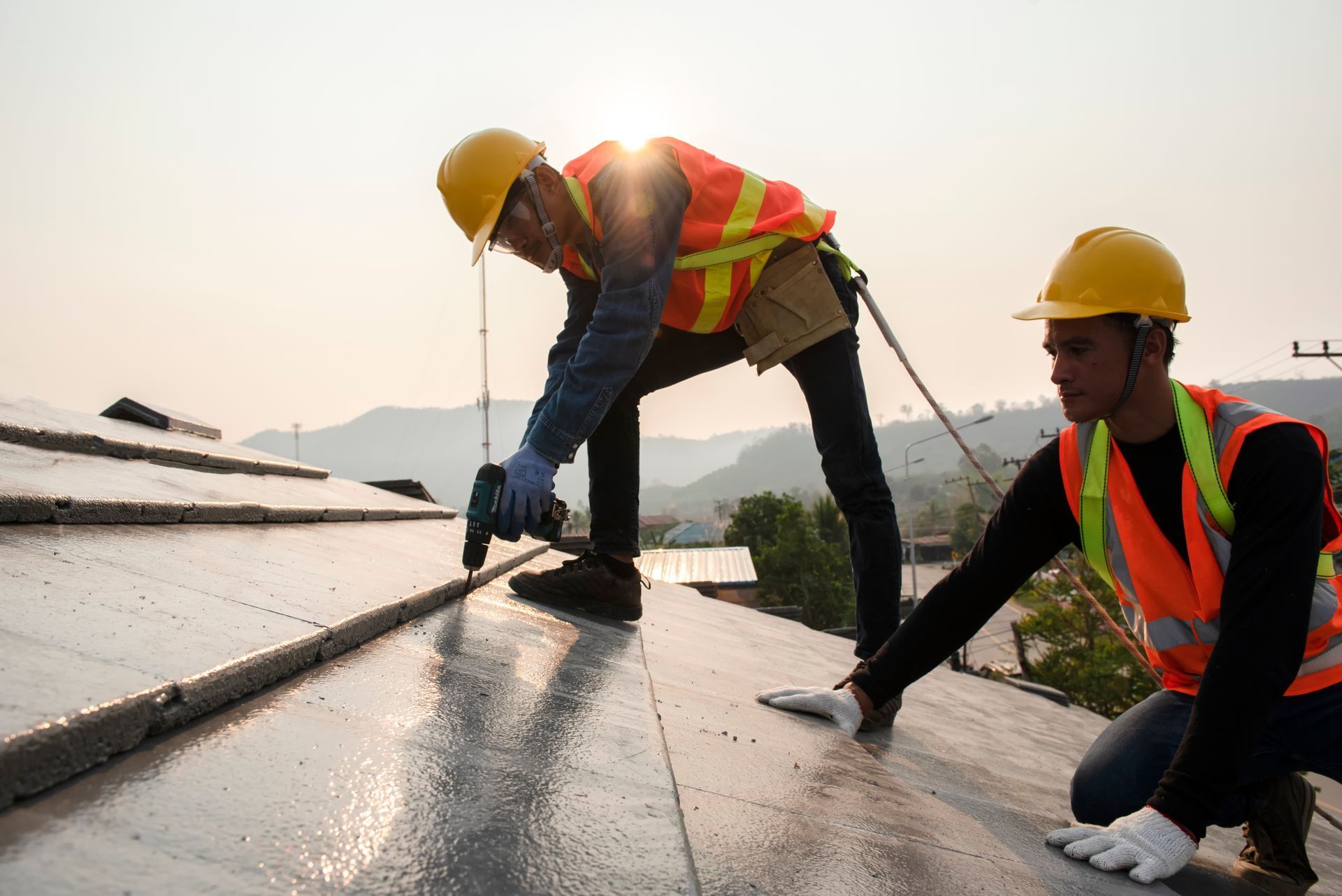
A proper commercial roof installation in Bismarck, ND, addresses drainage as an engineering problem from the beginning, not as an afterthought.
The Three Main Fixes Roofing Professionals Use
Tapered ISO Insulation Systems
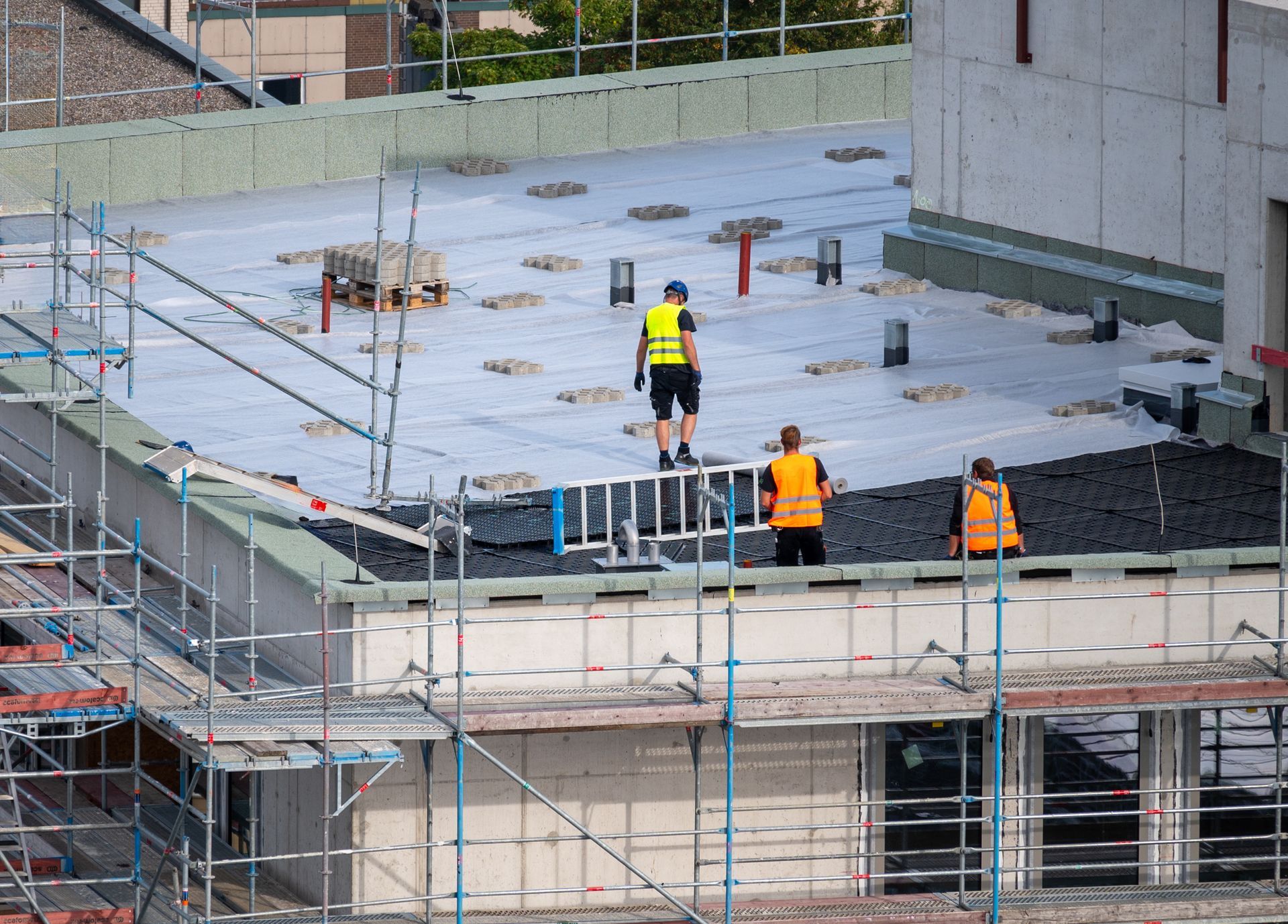
Tapered insulation is often the most effective long-term fix for widespread ponding. Polyisocyanurate boards are manufactured at a gradual angle, typically one-quarter inch of slope per foot, and installed beneath the membrane in a layout designed to direct water toward drains. Because the slope is built into the insulation itself, there is no need to alter the building's structural framing.
This approach also improves thermal performance. Thicker insulation where water once pooled means better R-values and lower heating costs, which matters greatly in Bismarck's climate.
Scuppers and Internal Drains
A commercial roofing professional may recommend adding or relocating internal roof drains, which collect water at designated low points and carry it through piping inside the building. For buildings with parapet walls, scuppers offer an alternative: openings cut through the parapet that allow water to exit outward into downspouts.
Both solutions require careful sizing and placement based on roof square footage, local rainfall intensity, and snowmelt volume. Undersized or poorly placed drains simply cannot keep pace during a heavy spring thaw.
Slope Correction and Deck Assessment
Sometimes ponding traces back to structural deflection, meaning the roof deck has sagged or settled over time. Before any new membrane goes down, a qualified roofer should assess whether the deck is still sound. Soft spots, warped sections, or waterlogged insulation need correction first. Installing a new membrane over a compromised deck only delays the next round of damage.
Signs Your Commercial Roof May Have a Drainage Problem
Property managers in the Bismarck, ND, area should check for these warning signs after major rain events or spring thaws:
- Visible water standing for more than 48 hours after rain or snowmelt ends.
- Staining or algae streaks on parapet walls.
- Interior ceiling stains during heavy snowmelt.
- Soft or spongy areas underfoot on the roof surface.
- Clogged or slow drains that back up during moderate rain.
Catching these signs early makes the fix significantly less invasive and less disruptive to daily operations.
Why Installation Quality Determines Long-Term Performance
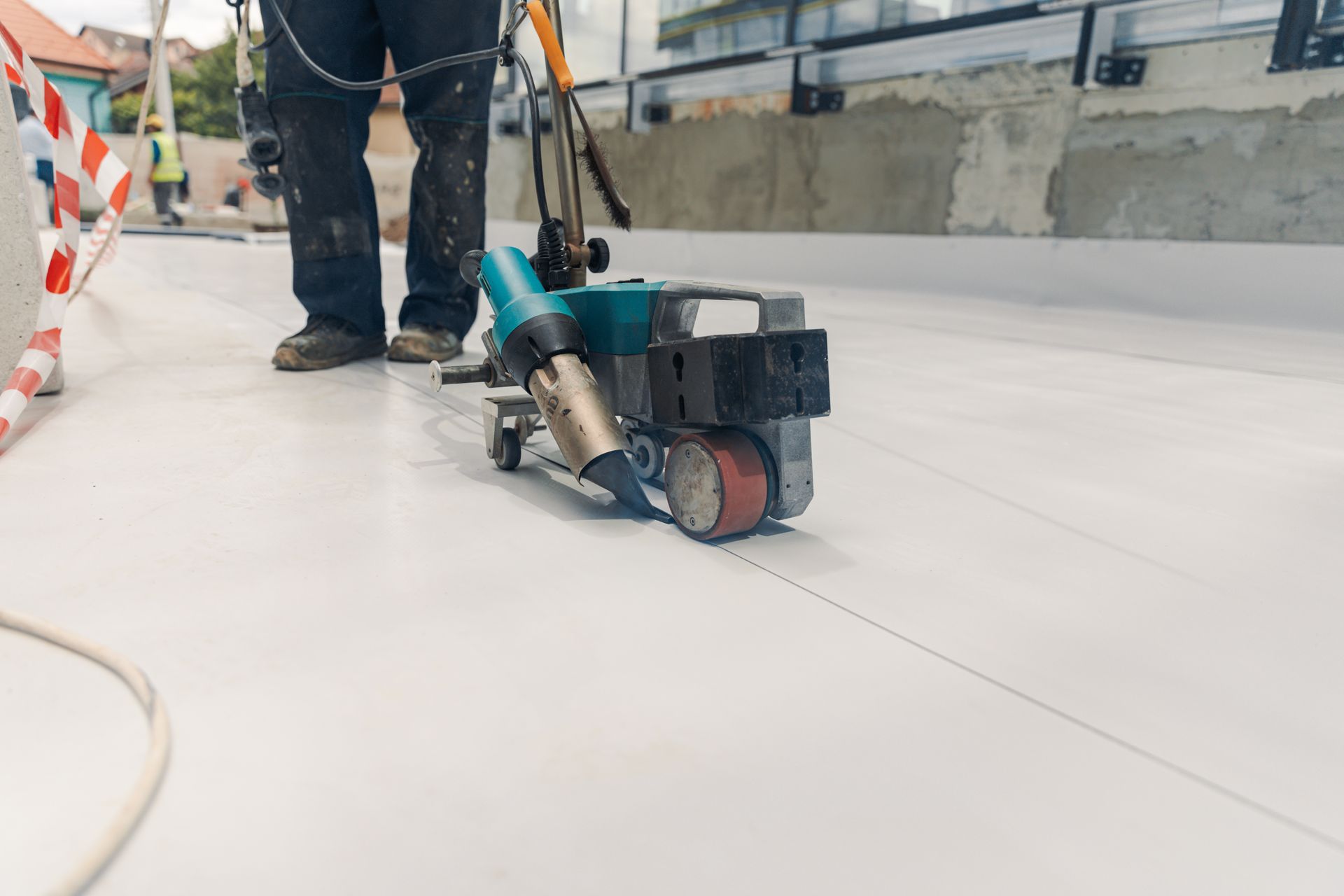
A drainage system is only as good as the installation behind it. Tapered insulation boards must be laid out according to a detailed slope plan. Internal drains must be flashed correctly and sealed to the membrane. Scuppers need proper counterflashing and outlet sizing. Cutting corners on any of these details during a commercial roof installation can recreate ponding problems within a few seasons, especially under Bismarck's freeze-thaw stress.
How Often Should Flat Roofs Be Inspected for Drainage Issues?
A flat commercial roof should be inspected at least twice per year: once in the fall before freeze conditions arrive and once in the spring after snowmelt. Following any major storm, a quick walkthrough can catch new drain blockages before they cause ponding. Documenting the location and duration of standing water between inspections helps roofing professionals make a more accurate diagnosis.
Can Drainage Problems Be Fixed Without a Full Roof Replacement?
In many cases, yes. If the existing membrane is in good condition and the deck is structurally sound, targeted solutions like adding scuppers, repositioning drains, or installing a tapered insulation overlay may resolve ponding without a full tear-off. Discussing these options with a qualified contractor during a commercial roof installation assessment is the most reliable way to determine which approach fits a specific building.
Let Five Star Roofing Help You Solve It
Ponding water does not get better on its own, especially when Bismarck winters are waiting to drive water deeper into every weakness. Addressing drainage design during a proper commercial roof installation is what separates a roof that lasts decades from one that needs repeated emergency repairs.
Five Star Roofing serves Bismarck and surrounding North Dakota communities with commercial roofing solutions built around the region's specific structural and climate demands.
Call
(406) 670-7199 to request a free estimate, or
contact us online to get started. You can also learn more about the full range of
commercial roof renovation services available for properties across the area.